Checkout using your account
Checkout as a new customer
Creating an account has many benefits:

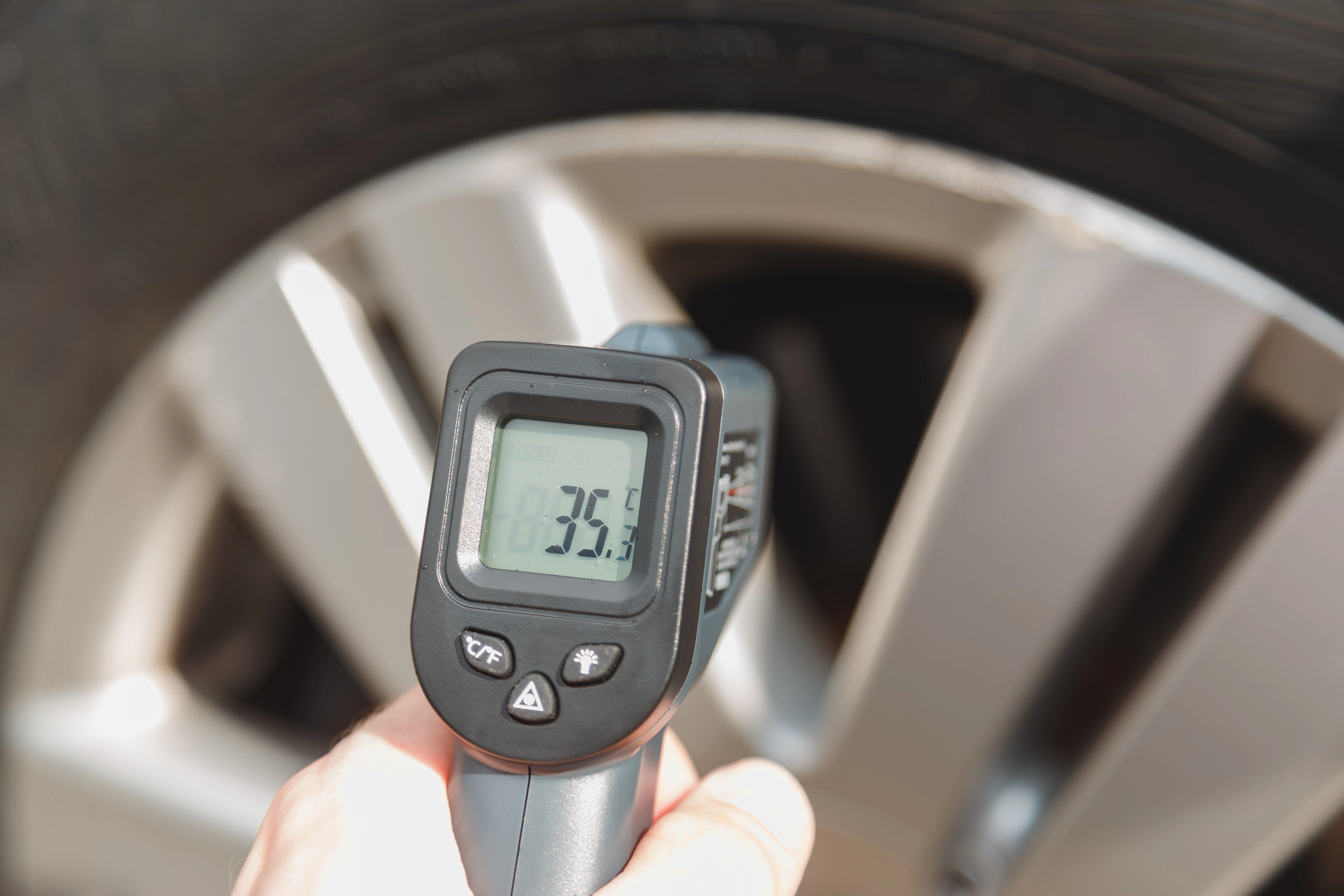
Have you ever been driving on a busy highway when your car suddenly feels unsteady or starts to wobble? And when you pull over, you find a flat tyre . This situation can be risky, typically occurring when you fail to notice the tyre pressure dropping in time.
This is where Tyre Pressure Monitoring Systems (TPMS) come in as a great help. These systems constantly monitor tyre pressure and alert you when something isn’t right. You can take action before a minor pressure drop becomes a significant issue.
Let us know more about TPMS systems and what the illuminated light warns about.
A Tyre Pressure Monitoring System (TPMS) is a smart feature that checks your tyre pressure in real time. It warns you through a dashboard light when one or more tyres are underinflated or overinflated.
This system helps you maintain the right pressure level for safety and performance. When you see a yellow light on your dashboard shaped like a tyre with an exclamation mark, that’s your TPMS alerting you to a pressure problem. It’s like having a built-in safety tool that reminds you when your tyres need attention.
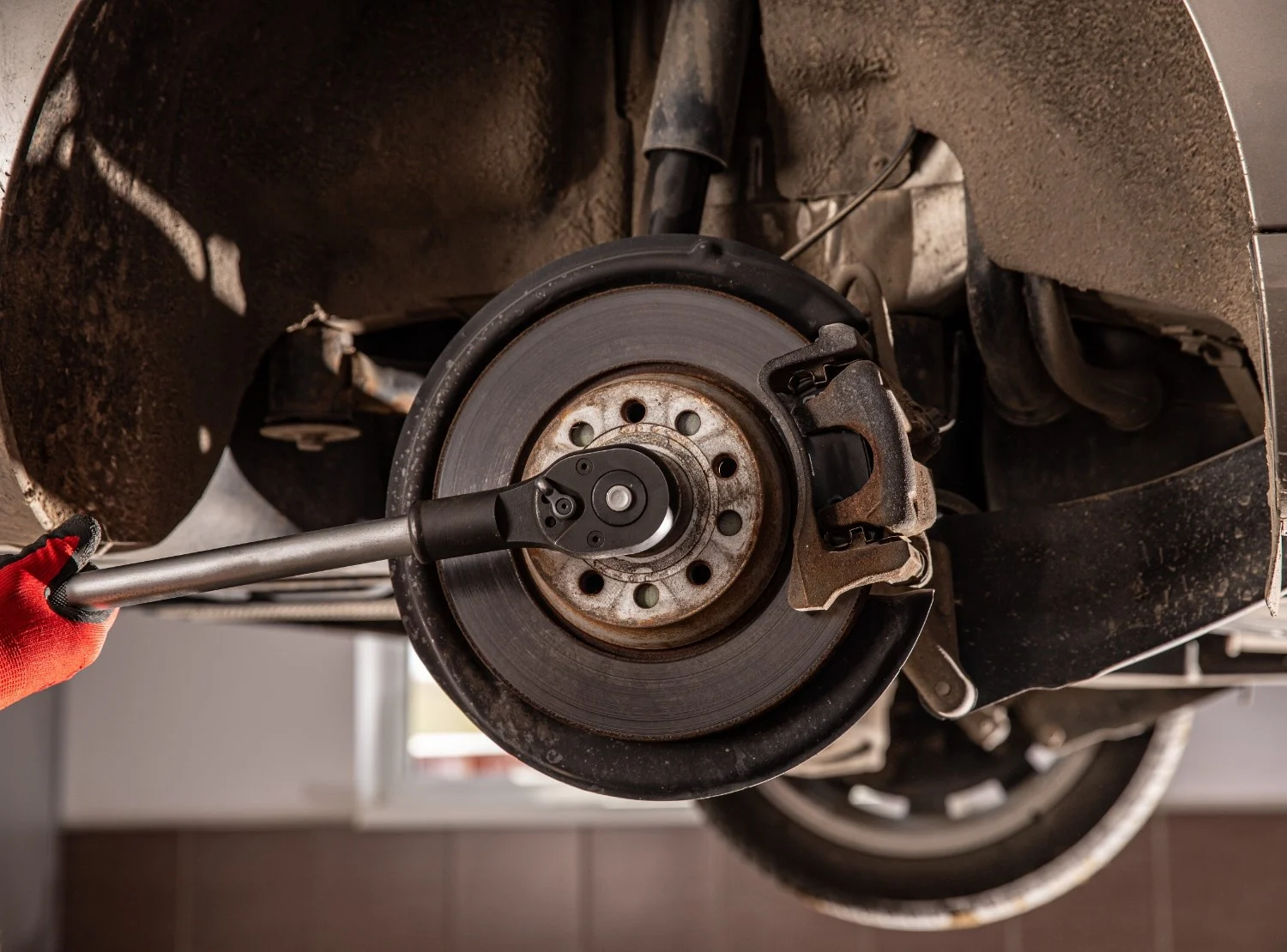
Tyre sensors are small devices that keep track of air pressure and temperature inside each tyre. These sensors send wireless signals to the car’s computer and the computer compares the readings with the recommended pressure.
If pressure drops or rises beyond the safe range then a warning light appears. This keeps on updating while you drive to ensure real-time safety.
There are two types of TPMS systems - Direct TPMS and Indirect TPMS.
Direct TPMS is the most common type because it gives the most accurate results. It uses small pressure sensors placed inside each tyre to measure the exact air pressure and they can detect even small changes quickly and reliably.
A warning light will appear on your car’s dashboard when the tyre pressure is below the recommended parameters which is usually about 25% lower than normal.
This means it’s time to refill your tyres at a nearby petrol station. Many direct TPMS systems also show which specific tyre is low, so you don’t have to check each one manually.
Indirect TPMS does not have separate sensors inside the tyres rather it uses the car’s existing ABS wheel speed sensors to monitor how the tyres rotate. When a tyre has low air pressure, it becomes slightly smaller and spins faster than the others.
The system notices this change and alerts you that the tyre pressure might be low. This type of TPMS is not as precise as direct TPMS, but it still helps warn you of possible pressure issues.
If the same tire shows a low-pressure warning frequently, it could indicate a small puncture or an air leak. It’s a good idea to visit your nearest Tire.ae service center to get it checked or replaced.
TPMS systems in the tyres for cars alert you instantly when tyre pressure is too low or too high, and it help you stay safe on the road. The real-time alerts also help you avoid sudden punctures or blowouts, especially during long drives.
TPMS helps you detect pressure issues before they cause accidents, as underinflated tyres generate extra heat and may burst at high speeds. You get instant alerts and can fix the problem early, keeping you and your passengers safe.
Tyres with the right air pressure roll more smoothly on the road. This reduces friction and helps your car use less fuel. Even a small drop in pressure can make your car consume more fuel, so TPMS helps you save money with every drive.
Uneven tyre pressure causes uneven wear, which shortens tyre life. TPMS ensures your tyres stay evenly inflated, extending their lifespan and reducing replacement costs.
When your tyres have the right pressure, your car handles better and drives more smoothly. You’ll feel more stable on turns and enjoy a comfortable ride on both city roads and highways.
TPMS constantly monitors all four tyres, even while you drive. You don’t need to check pressure manually every few days. The system alerts you instantly if anything changes, making car care much easier.
The TPMS light is an important warning signal on your dashboard and when it turns on then it means that there is an issue related to tyre pressure or the sensors.
You can take quick action before a small problem becomes serious. Here are a few basic reasons why TPMS light is shown on the dashboard screen.
This is the most common reason for the TPMS light to turn on and happens when one or more tyres lose air, may be due to small leaks, weather, or normal wear.
Sometimes, overinflated tyres also trigger the TPMS light as too much air inside the tyre affects grip, comfort, and even tyre life.
A quick drop or rise in temperature can change the air pressure inside the tyres. This causes the TPMS light to turn on until the pressure stabilizes.
If tyres are changed or rotated and the TPMS system is not reset then it may give incorrect readings or trigger a warning light.
The sensors themselves can wear out or fail over time. When this happens, the system might mistakenly show a warning light even if tyre pressure is normal.
A puncture or slow air leak can cause the tyre pressure to drop suddenly, making the TPMS light appear. This should be checked and repaired immediately to avoid unsafe driving.
Do not ignore the TPMS light warning as driving with wrong tyre pressure will reduce safety and damage the tyres. It is important to stop in a safe place and follow simple steps to fix the issue and keep your tyres in good condition.
Find a safe place to stop your car away from traffic and use a tyre pressure gauge to check the air pressure in all tyres.
You should add air to any tyre that is below the recommended pressure level mentioned in your car’s manual or on the driver-side door label.
Look carefully for nails, cuts, or cracks in the tyres and if you hear air leaking or spot visible damage then the tyre may need repair or replacement.
Some cars have sensors in the spare tyre as well. Make sure the spare is properly inflated too.
Once you inflate the tyres then drive for a few minutes at a moderate speed. In many vehicles, the TPMS light will automatically turn off once the pressure is corrected.
If the light stays on then you may need to reset the system manually using your car’s TPMS reset button or settings menu.
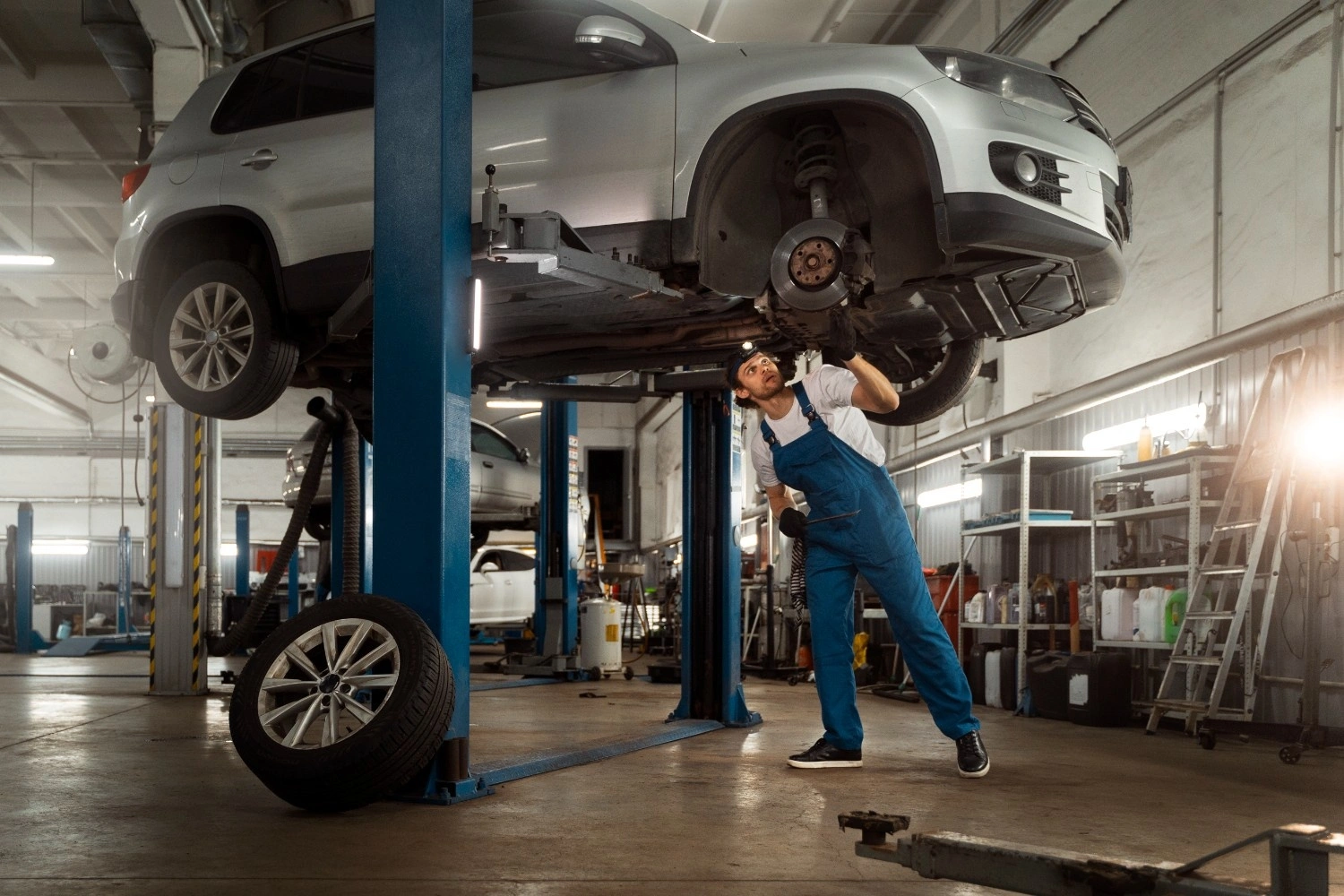
If the warning light remains on after checking everything then you must visit a tyre service center like Tire.ae. A technician can inspect the sensors or tyres for any deeper issue.
The TPMS is one of the smartest safety tools on board and protects you from sudden tyre issues, improves fuel economy, and gives you peace of mind on every journey.
Make it a routine to get your tyre sensors checked during every service and get your tires replaced or repaired at the earliest. You can also explore tires online and check the latest tyre offers UAE to get quality tyres at the best prices.
Visit Tire.ae for expert TPMS inspection, sensor replacement, and tyre services. Our skilled professionals ensure tyres and sensors work perfectly so you can enjoy a safe, comfortable, and efficient drive every day.